AI Driven Future of Digital Media Trends
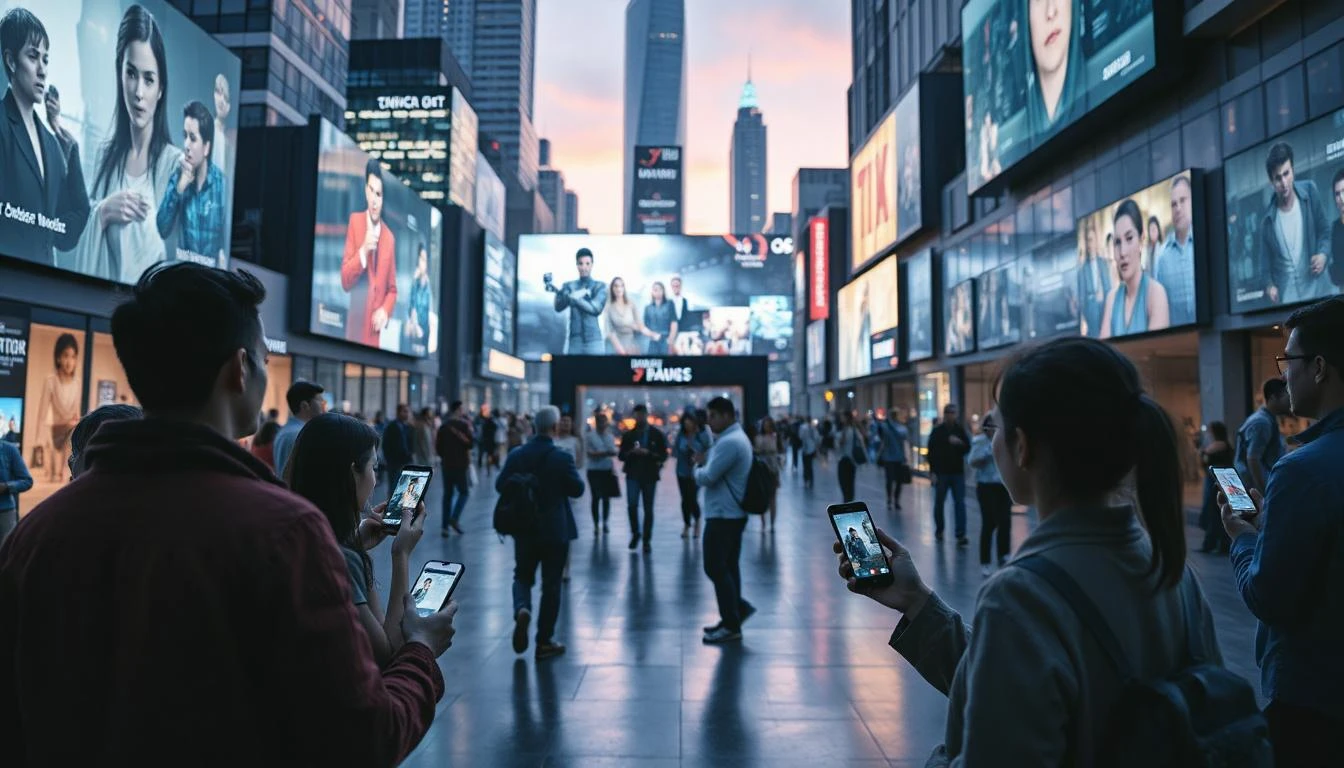
The digital ecosystem is no longer a passive space where content simply exists, it has become an intelligent, reactive environment shaped by algorithms, behavior data, and machine learning systems. Every scroll, click, and interaction feeds a larger mechanism that continuously evolves what users see and how they engage with content across platforms.
In this rapidly shifting landscape, AI media technology stands at the core of transformation, redefining how global marketplaces create, distribute, and monetize digital content. What used to be a linear production pipeline has now turned into a self-learning network where automation and intelligence merge into a single creative force.
AI Transformation in Content Creation
The way content is produced is undergoing a structural shift that feels almost architectural in nature. Creative workflows are no longer bound by human limitation alone, but are now extended through adaptive machine intelligence that reshapes storytelling itself.
Modern creators are stepping into a hybrid environment where imagination meets computation, and this fusion is changing not only how content is made but how ideas are born.
AI media technology is now deeply embedded in production pipelines, enabling faster ideation, execution, and iteration across multiple formats.
Automated video and script generation
The rise of intelligent generation tools has transformed production cycles into near-instant outputs. Scripts, storyboards, and even cinematic sequences are now created through systems trained on vast datasets of narrative structures and audience behavior.
This evolution reflects the expansion of automated digital content trends, where creators can scale production without traditional constraints. As noted by Dr. Helen Fisher, a digital media researcher, “AI is compressing creative timelines from weeks into minutes, fundamentally changing how storytelling economics operate.”
AI assisted editing workflows
Editing has evolved into a collaborative process between human intuition and machine precision. Intelligent systems now recommend cuts, transitions, and visual enhancements based on audience engagement data.
These workflows are part of a broader shift in machine learning in media production, where efficiency and aesthetic quality are no longer competing goals but integrated outcomes.
Synthetic media and digital actors
Virtual influencers and AI-generated presenters are becoming mainstream assets in advertising and entertainment. These synthetic identities operate with consistent branding, emotion modeling, and audience interaction capabilities.
According to media strategist Jonathan Reeves, “Synthetic media is not replacing creativity; it is expanding the definition of what a performer can be in the digital age.”
AI in Content Distribution and Marketing
The distribution layer of digital content has become far more intelligent than its creation counterpart. Algorithms now determine not only who sees content but also when and in what emotional context it appears.
This shift has created a marketplace where attention is dynamically allocated based on predictive systems rather than manual targeting strategies.
automated digital content trends are now influencing how platforms prioritize visibility, engagement, and monetization strategies in real time.
Predictive audience targeting
Audience targeting has moved from demographic segmentation to behavioral forecasting. Platforms now anticipate user intent before explicit actions occur, reshaping how marketing campaigns are structured.
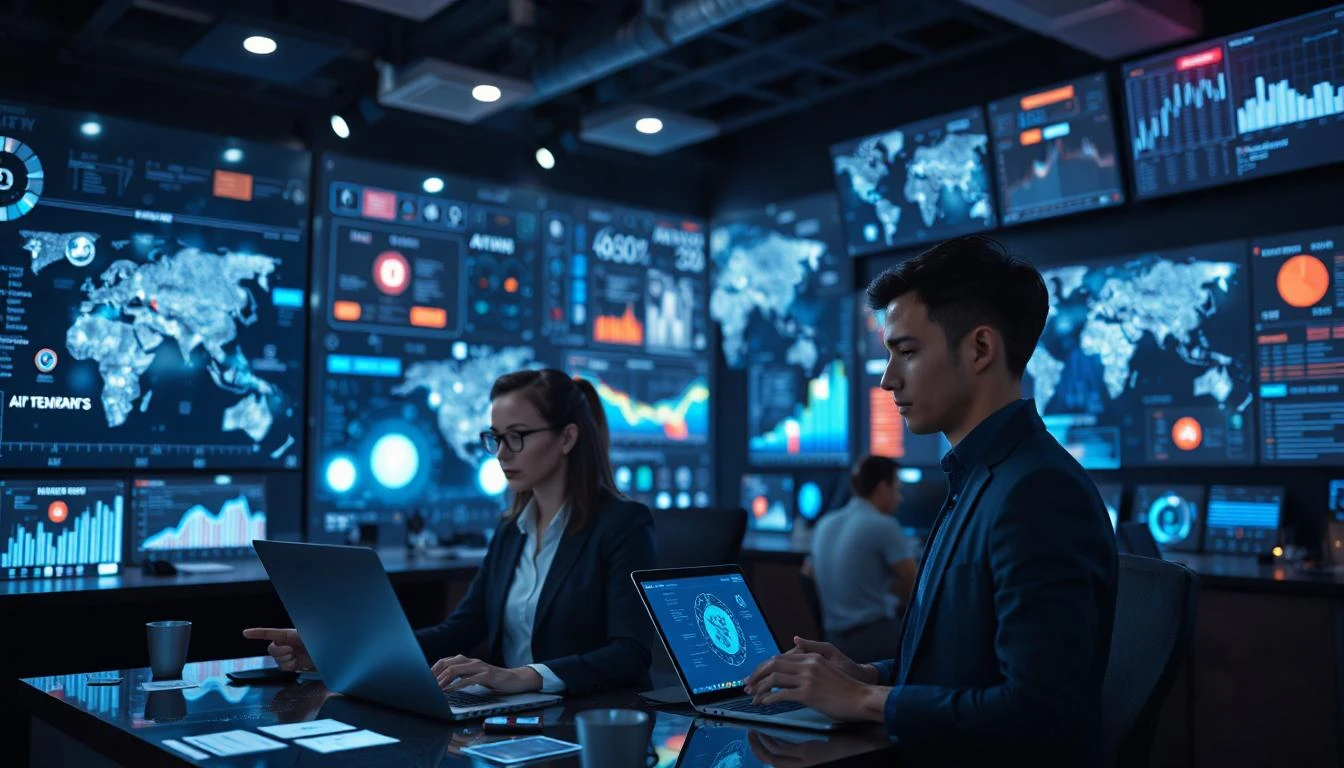
This transformation is powered by predictive analytics systems, which analyze browsing patterns, interaction history, and contextual signals.
Real time trend optimization
Marketing strategies are now fluid, adjusting in real time based on performance signals. Campaigns evolve dynamically as algorithms detect shifts in user engagement patterns.
This is a defining characteristic of AI media technology, where optimization is continuous rather than periodic.
Personalized content feeds
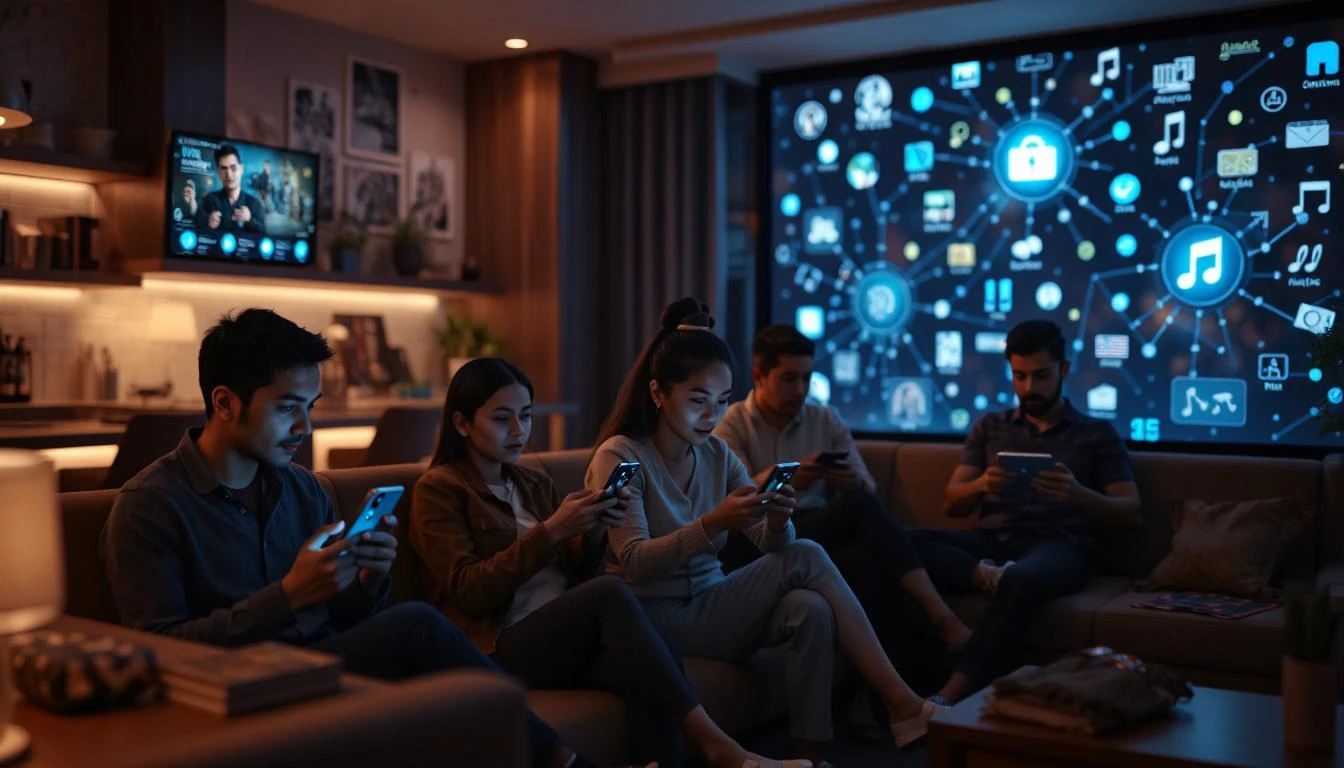
Every user experiences a uniquely constructed digital environment. Recommendation systems curate content streams based on micro-behaviors, emotional response patterns, and historical engagement data.
As noted by Professor David Liu, “We are entering an era where two people can experience entirely different versions of the same internet.”
Ethical and Industry Challenges of AI Media
While innovation accelerates, it brings with it a complex layer of ethical, legal, and structural challenges that the industry must confront with urgency and transparency.
The expansion of intelligent systems forces a reevaluation of ownership, authenticity, and trust in digital ecosystems.
Copyright and ownership issues
As AI-generated content becomes more prevalent, questions surrounding intellectual property become increasingly complex. Who owns machine-generated creativity, the user, the developer, or the algorithm itself?
This legal ambiguity is one of the most pressing concerns within AI media technology governance frameworks.
Deepfake regulation concerns
Synthetic manipulation of visual and audio content raises serious concerns about misinformation and identity distortion. Regulatory bodies are struggling to keep pace with technological advancement.
These challenges are closely tied to automated digital content trends, which amplify both creative potential and misuse risks.
Transparency in AI generated content
Users are demanding clarity regarding whether content is human-created or machine-generated. Transparency is becoming a core trust signal across platforms.
Without it, digital ecosystems risk losing credibility in an environment already saturated with synthetic media.
Embrace the Future of AI Powered Digital Media Innovation
The evolution of digital media is no longer gradual, it is exponential. Entire industries are restructuring around intelligent systems that learn, adapt, and optimize content ecosystems in real time.
AI media technology is now the foundation of this transformation, influencing how brands communicate, how audiences consume, and how value is created across global digital marketplaces.
The convergence of automation, personalization, and predictive intelligence signals a future where content is no longer static but continuously evolving.